Bespoke Memory Care Programs for Older Persons
Customized senior cognitive support programs for mature adults are becoming increasingly essential in confronting individual cognitive challenges. These services emphasize bespoke individual strategies that acknowledge distinct histories and inclinations. By fostering active involvement through customized enrichment options, they endeavor to elevate overall quality of life. Grasping the key aspects of these supports can facilitate families in choosing appropriately. What elements should be considered when finding the right memory care service?
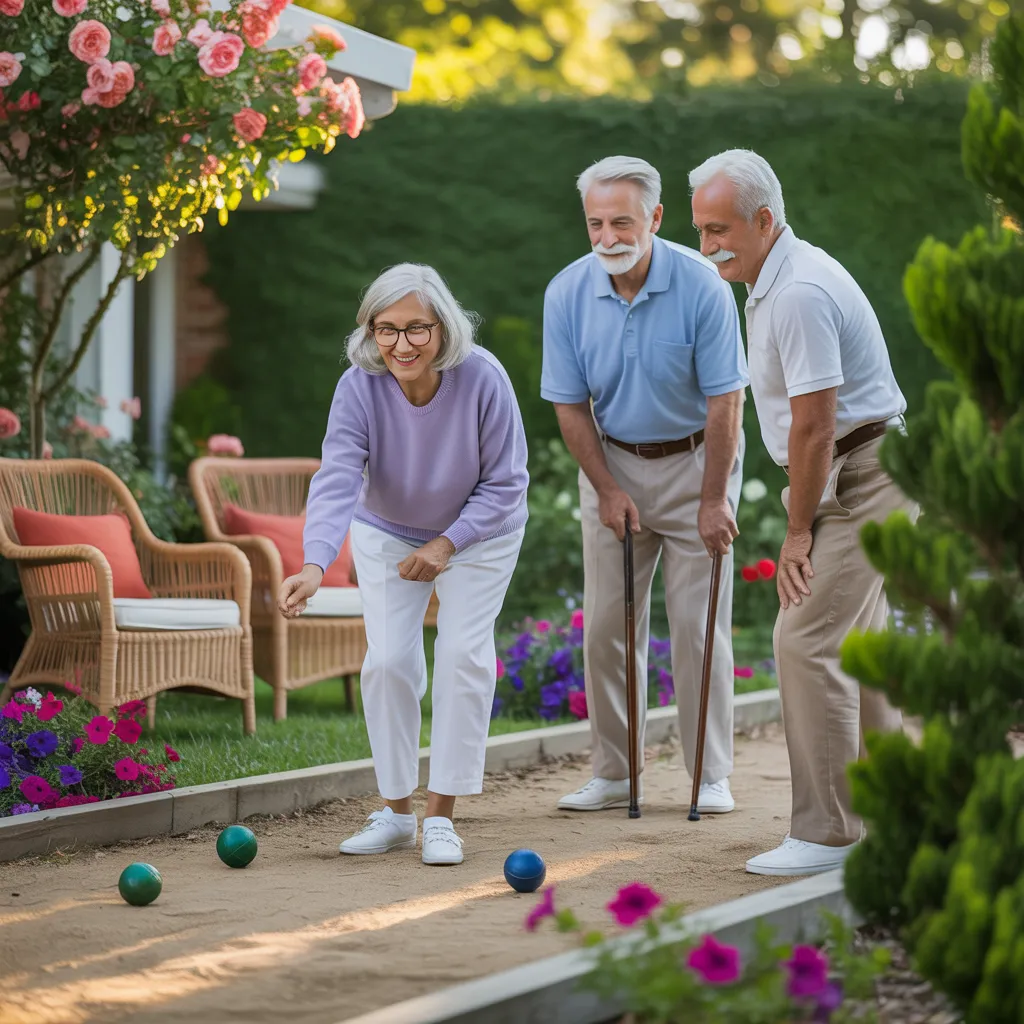
What You Must Be Aware Of About Personalized Memory Care Solutions
When considering memory care services, it is important to understand how adapted approaches can substantially boost the quality of life for seniors experiencing cognitive challenges. Adapted memory care services are designed to fulfill the distinct requirements of each individual, recognizing that cognitive decline impacts individuals in distinct ways. These solutions frequently include personalized activities and schedules that align with a senior's preferences, capabilities, and preferences, thereby fostering involvement and a sense of purpose.
Additionally, personnel educated in advanced dementia support methods can offer assistance that honors the independence and respect of each client. This individualized attention helps in reducing distress and worry, which are common in those with memory impairments. Furthermore, loved ones' participation is encouraged, ensuring a comprehensive strategy to care. Ultimately, customized dementia support programs aim to establish an environment where seniors can flourish, promoting both emotional well-being and cognitive engagement.
Merits of Individualized Wellness Plans for Cognitive Difficulties
Bespoke wellness plans are vital in confronting the unique memory challenges that seniors experience. These personalized techniques are crafted to satisfy individual needs, confirming that care corresponds with the specific mental and psychological requirements of any senior. By zeroing in on background experiences, preferences, and capabilities, such plans nurture a sense of familiarity and comfort, which can relieve stress often associated with memory loss.
Moreover, tailored care plans strengthen engagement by incorporating activities that resonate the seniors' interests, fostering mental stimulation and community interaction. This individualized method can lead to improved mental performance and a better standard of living. Additionally, support staff equipped with thorough understanding of the senior's preferences can provide more caring and effective support, minimizing feelings of frustration for both involved. Ultimately, personalized care approaches enable seniors, allowing them to address their cognitive challenges with dignity and self-assurance.
Essential Strategies for Personalized Memory Care Programs
Promoting recommended approaches for specialized memory care programs involves a thorough comprehension of each senior's unique needs and preferences. Care providers should prioritize in-depth assessments that review cognitive abilities, physical health, and emotional well-being. This primary understanding enables the design of customized care plans that successfully handle concrete obstacles.
Frequent staff training is necessary, ensuring caregivers are furnished with the current methods in memory care. Cooperation with families establishes a nurturing setting, enabling care professionals to blend in unique backgrounds and requirements into regular activities. Utilizing digital resources, such as alert systems and collaboration platforms, can strengthen safety and participation.
Furthermore, flexibility in care plans is important; modifications should be made as seniors' conditions progress. Ongoing evaluation of care effectiveness through feedback and assessment ensures continuous improvement. By adhering to these established standards, memory care programs can provide a nurturing and responsive environment that promotes respect and well-being for seniors.
Activities That Strengthen Quality of Life in Memory Care
Purpose-built memory care services not only focus on individualized care plans but also emphasize the significance of stimulating programs that improve the standard of living for older adults. These programs are created to activate mental abilities while promoting interpersonal engagement and mental health. Creative art sessions, music sessions, and horticultural activities can offer creative outlets, allowing residents to communicate their feelings and connect with their environment.
Structured reminiscence therapy supports seniors in sharing memories, developing a sense of direction and self. Physical pursuits, such as gentle movement or dancing, help sustain movement and improve mood. Additionally, sensory experiences—like cooking or pet therapy—can evoke pleasant feelings and refine sensory perception.
Picking the Perfect Memory Care Support for Your Relatives
How can loved ones' relatives ensure they select the most suitable memory care provider for their loved ones? The choice begins with thorough investigation. Relatives should assess the specific needs key resource of their family members, considering factors such as the nature and level of memory decline. Touring potential centers allows families to observe the environment, staff interaction, and available amenities.
Staff qualifications and accreditation are vital signs of quality. Families should inquire about staff-to-resident ratios and training provided to caregivers. Additionally, it is important to evaluate the range of activities and therapies provided, as these can significantly affect residents' well-being.
In conclusion, families should seek out reviews and testimonials from other families to collect direct insights. By balancing personal needs with professional recommendations, parents can make informed choices that guarantee their loved ones receive the compassionate and tailored care they deserve.
Commonly Inquired FAQs Section
How Can I Determine My Loved One's Specific Dementia Care Needs?
To assess specific memory care needs, one should monitor changes in behavior, communication skills, daily activity performance, and emotional well-being. Speaking with medical experts for evaluations and gathering feedback from care providers can further clarify those needs.
What Requirements Ought to Be Demonstrated by Nursing Assistants in Memory Care Centers?
Caregivers in memory care facilities should possess relevant certifications, training in dementia care, excellent interpersonal abilities, empathy, and background. Furthermore, they should demonstrate patience and flexibility to successfully address the individual requirements of residents.
Is Personalized Memory Care Services Covered under Insurance Policies?
Insurance coverage for customized memory care programs differs significantly among providers. Many plans may help pay for expenses, but it's essential for individuals to verify details with their insurance company to understand their benefits and restrictions.
How Regularly Are Care Plans Assessed and Modified?
Care plans are regularly assessed and modified, often twice yearly or every quarter. This guarantees that the evolving requirements of people are effectively met, allowing for modifications in care strategies and interventions as necessary.
What Items Do I Notice During a Facility Showing?
During a facility tour, one ought to observe cleanliness, staff interactions, resident engagement, safety procedures, available amenities, and overall atmosphere. Additionally, examining the facility's approach to tailored care and community involvement is vital for informed determining decisions.